UMass Boston

Special Education MEd

Step into today’s classroom ready to support diverse learners.

Request Info Apply

Description of the image

Request Info

Loading...

About the Program

Students who learn differently deserve teachers who know how to respond to their needs. UMass Boston’s Special Education MEd program prepares you to meet those needs, whether you’re pursuing licensure or building on your experience. Guided by faculty recognized for leadership at both the local and national level, the program’s flexible hybrid format includes mostly online courses with select in-person sessions and once-a-week evening classes, so you can keep working while gaining skills and connections to carry into your career.

Here’s your chance to:

  • Get real experience in a classroom every week through our partner schools in Boston Public Schools.
  • Prepare for licensure with confidence, with support from the College of Education and Human Development (CEHD) Office of Student Success and Massachusetts Tests for Educator Licensure (MTEL) test prep resources.
  • Strengthen your writing with free assistance from the UMass Boston Writing Center, available on campus and online, weekdays and weekends.


0
UMass Boston is the #1 provider of teachers to the Boston Public Schools
University Survey, 2026
0
UMass Boston is the #1 provider of teachers and administrators of color in MA
University Survey, 2026
0
UMass Boston is the #1 public college of education in MA for two years in a row
U.S. News and World Report, 2024 & 2025

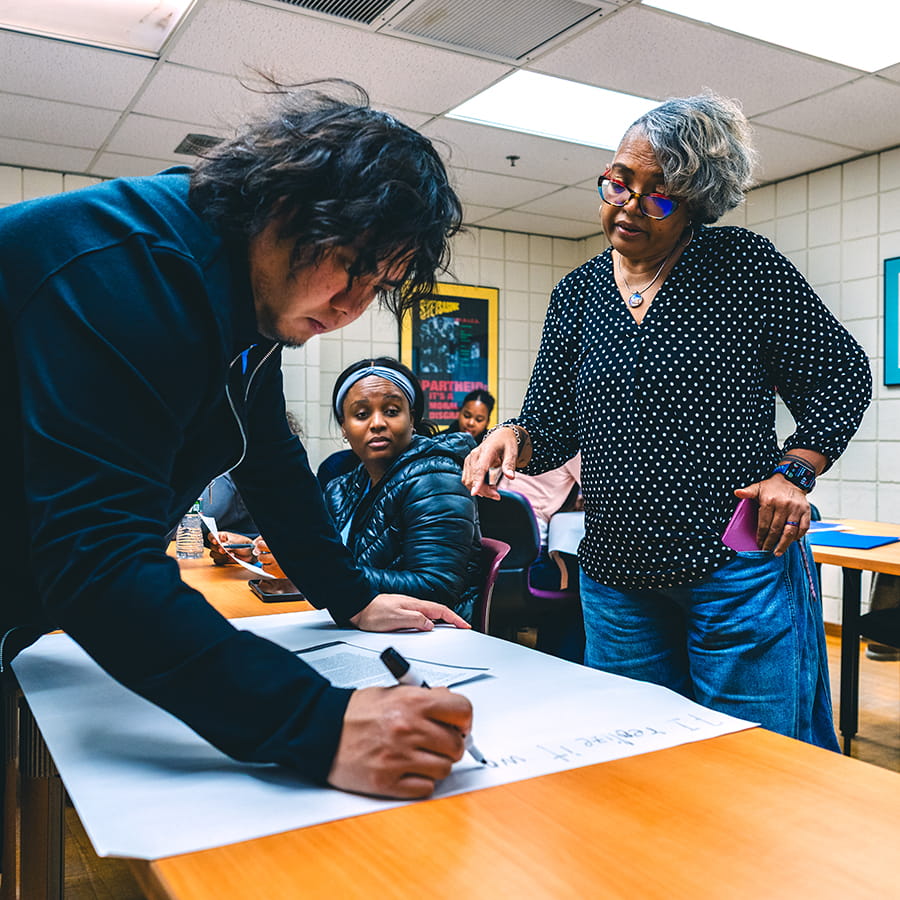
faculty with students in early education graduate class

Career Possibilities

Gain practical experience in special education settings, leading up to a full-time student teaching practicum for those pursuing licensure. Work closely with a dedicated faculty advisor who guides you from coursework to career planning, along with additional resources from the CEHD Office of Student Success.

Here’s where this degree can take you:

  • Special Education Teacher (LR)
  • Inclusion Teacher (LR)
  • Resource Room Teacher (LR)
  • Co-Teacher (LR)
  • Individualized Education Program (IEP) Case Manager (LR)
  • Special Education Coordinator or Team Chair (LR)
  • Transition Specialist (LR)
  • Program coordinator or program manager in non-school-based programs (NR)
  • Education and disability-related policy, advocacy, or administrative roles (NR)
  • Research, curriculum development, or instructional-design roles (NR)

* Licensure roles (LR), Non-licensure roles (NR)

Example Employers of Program Graduates
UMass Boston Special Education MEd alumni launch careers as teachers, administrators, curriculum developers, and more in the Greater Boston Area and across Massachusetts, including:
Lexington Public Schools logo
quincy public schools logo
Boston Public Schools logo
Newton Public Schools logo
Cambridge Public Schools logo
Rising Tide Charter Public Schools logo
Wellesley Public Schools logo

Student Stories

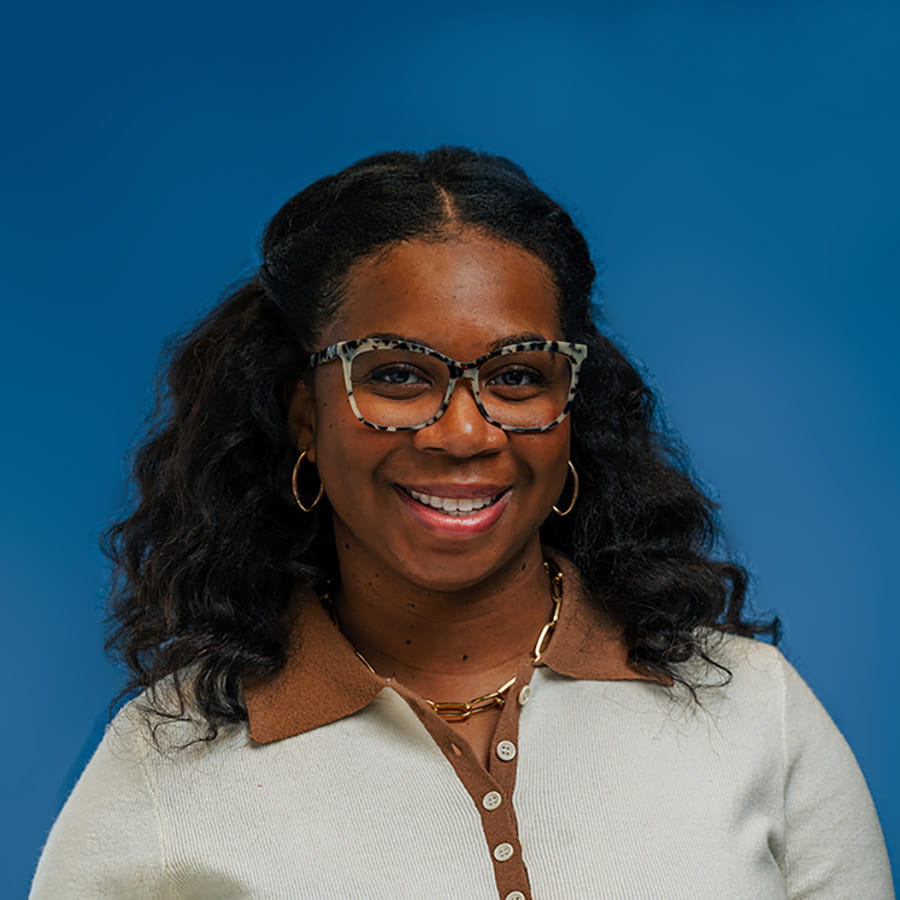
special education med shawn w.
My time in the Special Education MEd deepened my understanding of inclusive, student-centered teaching and equipped me with research-based strategies to support diverse learners, particularly those with individualized needs. Through rigorous coursework, group projects, and practicum experiences in schools, I strengthened my ability to design accessible, standards-aligned instruction while advocating for systems that honor the strengths and identities of all students.
De'Shawn W. ’24
Karen G.
As an individual who learned differently and had multiple learning disabilities, becoming a special education teacher has been my lifelong goal. I chose this program because I wanted to expand my knowledge of special education, understand how to address diverse learning needs, and become certified to teach in the classroom. This program has helped me become successful through MTEL workshops, building connections with fellow educators, and hands-on exposure through student teaching.
Karen G. ’26
Joanne S.
After earning my degree, I worked as a tenured special education teacher for about a decade before I decided to continue my education. While earning my doctoral degree, a professor from the program served as the third reader for my dissertation. I’m now an educational administrator at a school that serves students with disabilities. If not for the opportunities to network, the support of my professors, and the exceptional education from UMass Boston, I wouldn’t be where I am in my career today.
JoAnne S. ’16
Jenna T.
I chose UMass Boston’s Special Education master’s program for its strong commitment to underserved communities and its flexible online format, which allowed me to work while earning my degree. The knowledgeable professors provide meaningful learning experiences, including virtual simulations and school visits that offer hands-on insight into working with students with disabilities.
Jenna T. ’26
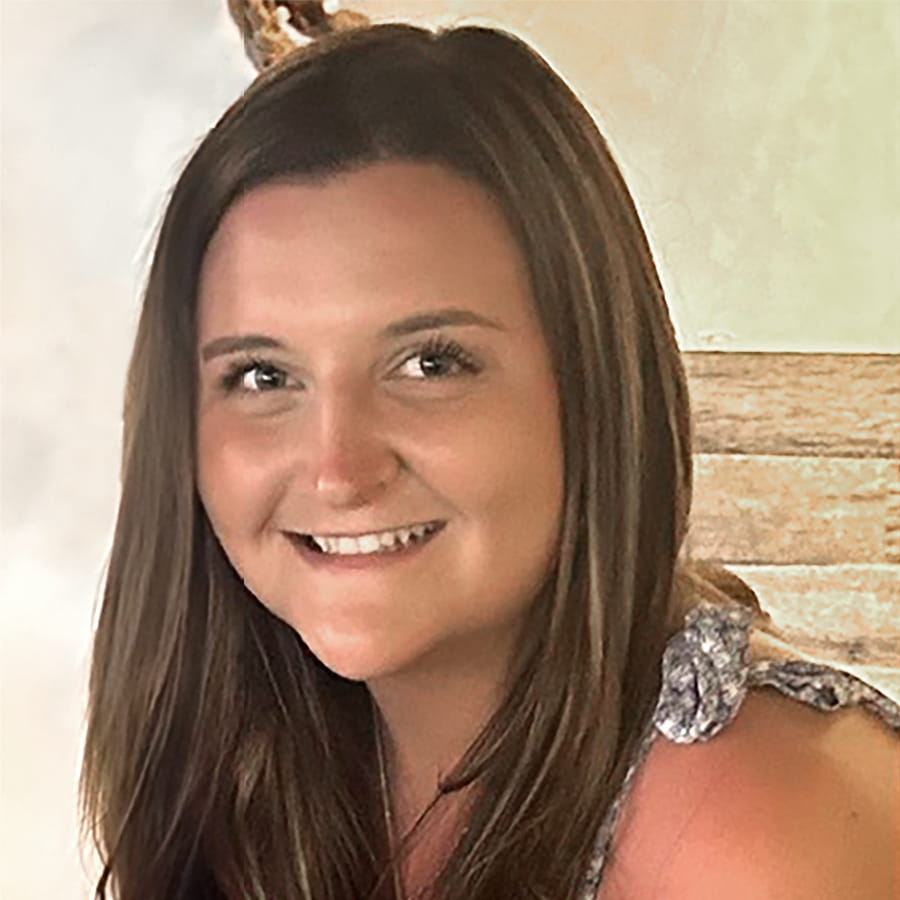
Jordan l
I chose this program to better support young adults with disabilities beyond the classroom and to grow as a leader. I’ve been able to take what I learn in class and directly implement it with my students. The professors are incredibly knowledgeable, supportive, and passionate about the field, and they truly care about their students. This program has strengthened my practice, expanded my perspective, and made me a more effective transition specialist and advocate for meaningful adult outcomes.
Jordan L., current student
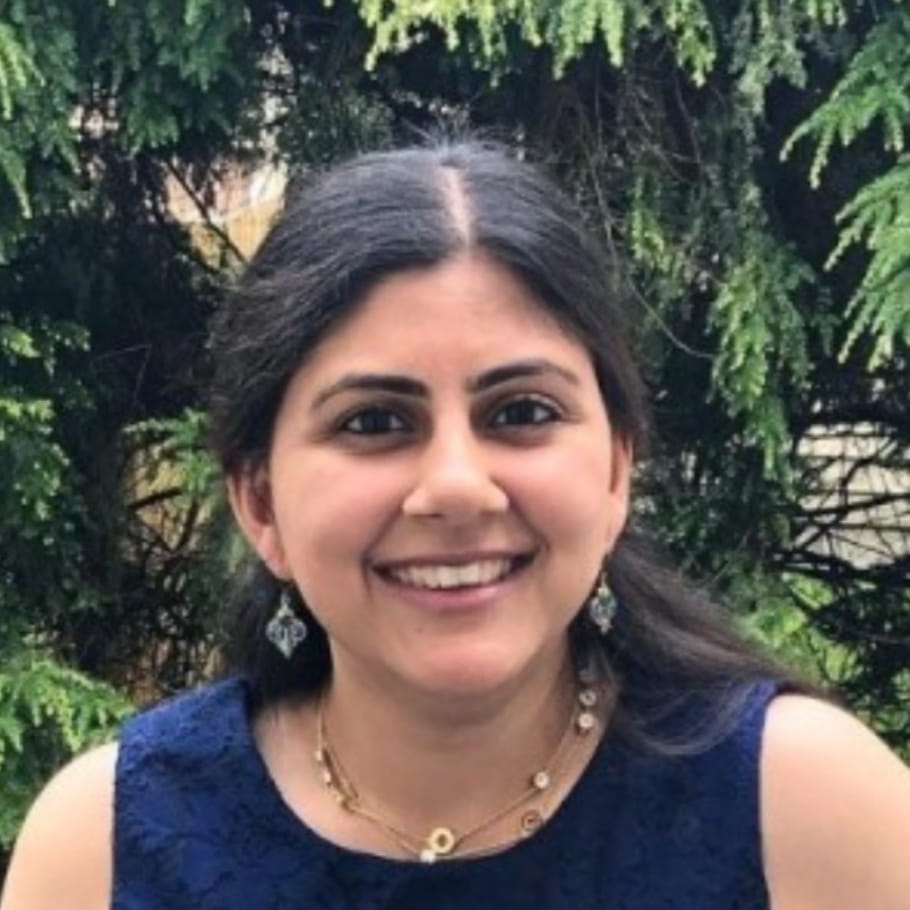
needname
I joined the UMass Boston Special Education degree program and really love it! I joined the program after realizing that I wanted to pursue a degree in helping children who learn differently. I would recommend that program to anyone who is looking to pursue a career in this field. –Shweta I., Current student, M.Ed. in Special Education leading to Successive Licensures in Moderate Disabilities PreK-8.
Shweta I., current student

Plan Your Education

How to Apply

Deadlines: June 15 for fall, or November 1 for spring
(Note: The Transition Leadership track will not be accepting applications for Spring 2027)

Application Fee: The nonrefundable application fee is $75. UMass Boston alumni and current students that plan to complete degree requirements prior to graduate enrollment can submit the application without paying the application fee.

Applicants must meet general graduate admission requirements in addition to the following program-specific requirements:

Financing Your Education

Estimate Your Program Cost: Get a feel for your expected program costs using the Graduate Program Cost Calculator.

Program Cost Information: For more detailed information on costs, visit the Bursar's website to learn more about Regular Session Tuition & Fees for in person courses and Special Price Tuition & Fees for online courses. Please refer to Financial Aid for more information.


Program Details

Special Education MEd Application Requirements

Moderate Disabilities Tracks

In addition to the criteria below, applicants must meet general graduate admission requirements.

  • A statement of purpose explaining the applicant’s reasons for pursuing graduate study in the field of moderate disabilities. This statement should have two parts:
    • an initial section of up to 300 words describing your reasons for wishing to pursue graduate studies
    • a second section of approximately 1,200 words describing your specific interests, the kind of work you intend to perform, and your goals within the program to which you are applying
  • A distinguished undergraduate transcript, with a minimum grade point average of 3.0.
  • Two letters of recommendation submitted by individuals who are knowledgeable about teaching students with disabilities, who have worked closely with the applicant, and who have direct knowledge of the applicant’s teaching skills and academic performance.
  • A writing sample indicating the applicant’s ability to write in a clear, concise, and professional manner. This sample may be in the form of a recent term paper or research paper. The writing sample should NOT be an Individualized Education Program (IEP), an evaluation report, and a lesson/unit plan. The College of Education and Human Development has as its basic goal that the students who graduate are thoughtful and responsive educators, committed to change for social justice. NOTE: This writing sample is in addition to the statement of intent requirement for the Special Education Program.

Transition Leadership Track

In addition to the criteria below, applicants must meet general graduate admission requirements.

  1. Letter of Intent: This letter must clearly explain the applicant’s reasons for pursing a graduate study in the field of Transition Leadership.
  2. Grade Point Average: A minimum cumulative undergraduate GPA of 3.0 is required for admission to the program.
  3. Letters of Recommendation: Two letters of recommendation must be submitted by persons who are knowledgeable about supporting students with disabilities, who have worked closely with the applicant, and who have direct knowledge of the applicant’s transition skills and academic performance.
  4. Copy of appropriate licensure: Must be license to teach students with moderate disabilities, students with severe disabilities, students with visual impairments, or students who are deaf or hard of hearing; School Guidance Counselor or School Social Worker/School Adjustment Counselor; are licensed as a Rehabilitation Counselor (as described in 262 CMR 4.00 Requirements for Licensure as a Rehabilitation Counselor); or have certification as a Rehabilitation Counselor as determined by the Commission on Rehabilitation Counselor Certification
  5. Academic writing sample: A writing sample indicating the applicant’s ability to write in a clear, concise, and professional manner is needed. This sample may be in the form of a recent term paper. A priority for the School for Global Inclusion and Social Development is that the students who graduate are thoughtful and responsive educators, and committed to change for social justice. Please ensure that your writing sample demonstrates how you and your work match such a description. Your writing sample should also exemplify the experiences or values in your life that match this philosophy.

Curriculum: Successive Licensure in Moderate Disabilities PreK-8 and 5-12 Tracks

Required Courses (24 Credits)

  • EDC G 650 - Rethinking Equity and Teaching for English Language Learners 3 Credit(s)
  • SPE G 607 - Behavioral and Classroom Management 3 Credit(s)
  • SPE G 621 - Introduction to Disabilities for Educational Professionals 3 Credit(s)
  • SPE G 624 - Standardized Assessments for Students with Moderate Disabilities, PreK-12 3 Credit(s)
  • SPE G 629 - Consultation and Interpersonal Skills 3 Credit(s)
  • SPE G 630 - Building Collaborative Partnerships with Families of Students with Disabilities 3 Credit(s)
  • SPE G 633 - Legal and Political Issues in Special Education 3 Credit(s)
  • SPE G 684 - Computers in Special Education 3 Credit(s)

Track Courses (6 Credits)

Complete two courses from one of the tracks below.

PreK to 8 Track:

  • SPE G 625 - Reading and Writing Assessment and Instruction for Students with Moderate Disabilities, Pre K-8 3 Credit(s)
  • SPE G 626 - Math, Science, and Social Science Assessment and Instruction for Students with Moderate Disabilities 3 Credit(s)

5 to 12 Track:

  • SPE G 631 - Clinical Teaching: Secondary 3 Credit(s)
  • SPE G 632 - Alternative Strategies 3 Credit(s)

Practicum Course (6 Credits)

  • SPE G 698 - Moderate Practicum 3-6 Credit(s)

Capstone Course (3 Credits)

  • SPE G 692 - Capstone Research Seminar in Special Education: Professional Licensure 3 Credit(s)

For more information on curriculum, including course descriptions and degree requirements, visit the Academic Catalog.

Curriculum: Non-Licensure in Moderate Disabilities PreK-8 or 5-12 Track

Required Courses (24 Credits)

  • EDC G 650 - Rethinking Equity and Teaching for English Language Learners 3 Credit(s)
  • SPE G 607 - Behavioral and Classroom Management 3 Credit(s)
  • SPE G 621 - Introduction to Disabilities for Educational Professionals 3 Credit(s)
  • SPE G 624 - Standardized Assessments for Students with Moderate Disabilities, PreK-12 3 Credit(s)
  • SPE G 629 - Consultation and Interpersonal Skills 3 Credit(s)
  • SPE G 630 - Building Collaborative Partnerships with Families of Students with Disabilities 3 Credit(s)
  • SPE G 633 - Legal and Political Issues in Special Education 3 Credit(s)
  • SPE G 684 - Computers in Special Education 3 Credit(s)

Track Courses (6 Credits)

Complete two courses from one of the tracks below.

PreK to 8 Track:

  • SPE G 625 - Reading and Writing Assessment and Instruction for Students with Moderate Disabilities, Pre K-8 3 Credit(s)
  • SPE G 626 - Math, Science, and Social Science Assessment and Instruction for Students with Moderate Disabilities 3 Credit(s)

5 to 12 Track:

  • SPE G 631 - Clinical Teaching: Secondary 3 Credit(s)
  • SPE G 632 - Alternative Strategies 3 Credit(s)

Electives (6 Credits)
Complete two additional courses approved by your advisor.

Capstone Course (3 Credits)

  • SPE G 692 - Capstone Research Seminar in Special Education: Professional Licensure 3 Credit(s)

Curriculum: Transition Leadership Track

Transition Leadership Courses (15 Credits)

  • SPE G 654 - Youth Development and Self Determination 3 Credit(s)
  • SPE G 655 - Career Development and Competitive Employment 3 Credit(s)
  • SPE G 656 - Postsecondary Education for Students with Disabilities 3 Credit(s)
  • SPE G 657 - Transition Topics 3 Credit(s)
  • SPE G 658 - Transition Leadership 3 Credit(s)

Special Education or Critical Thinking Courses (6 Credits)

  • SPE G 629 - Consultation and Interpersonal Skills 3 Credit(s)
    OR CRCRTH course
  • SPE G 684 - Computers in Special Education 3 Credit(s)

Education Course (3 Credits)

  • EDC G 606 - Sociocultural Foundations of Education 3 Credit(s)

Rehabilitation Counseling Courses (6 Credits)

  • REHAB 603 - Foundations of Rehabilitation 3 Credit(s)
  • REHAB 612 - Vocational Rehabilitation and Placement 3 Credit(s)

Capstone Course (3 Credits)

  • SPE G 693 - Practicum: Transition Leadership I 3 Credit(s)

Learning Outcomes

  • Apply pedagogical concepts in educational settings to meet the diverse needs of students with disabilities. 
  • Learn to use a variety of formal and informal assessments to identify the strengths and needs of students with disabilities and determine appropriate placement and services that meet their individualized needs. 
  • Implement evidence-based instructional and behavioral strategies to meet the individualized needs of students with disabilities. 
  • Develop skills to form effective collaborative partnerships with families, especially those who are from low socio-economic status and culturally and linguistically diverse backgrounds, educators, service providers, and the school community. 
  • Adopt a strengths-based problem-solving perspective when supporting and assisting families to identify their priorities, resources, and concerns for their children with disabilities. 
  • Earn a Master's degree in Education, an initial license in moderate disabilities, and coursework to advance their license upon completion of the program. 

Graduation Criteria

Successive Licensure in Moderate Disabilities PreK-8 or 5-12 Track

Complete 39 credits from twelve courses including eight required courses, two track courses, one practicum course, and one capstone course.

Track: Students must choose a track in PreK to 8 or 5 to 12.
Capstone: Completion of a written paper and oral presentation as part of SPE G 692.
Field experience: Complete 75 hours of monitored pre-practicum field-based experience, and a minimum semester-long supervised practicum (including hours in an inclusive setting).

Statute of limitations: Five years.


Non-Licensure in Moderate Disabilities PreK-8 or 5-12 Track

Complete 39 credits from 13 courses including eight required courses, two track courses, two electives, and one capstone course.

Track: Students must select a track in PreK to 8 or 5 to 12.
Capstone: Completion of a written paper and oral presentation as part of SPE G 692.

Statute of limitations: Five years.


Transition Leadership Track

Complete 33 credits from eleven courses including five transition leadership courses, two special education or critical thinking courses, one education course, two rehabilitation counseling courses and one capstone course.

Capstone: Completion of a practicum as part of SPE G 693.

Statute of limitations: Five years.

Contact

Graduate Program Director Kristin Murphy
kristin.murphy@umb.edu
(617) 287-4516

Accreditation

UMass Boston is a Massachusetts Department of Elementary and Secondary Education approved educator licensure preparation program provider for:

  • Teacher, Moderate Disabilities, PreK-8, Initial, Post-Baccalaureate
  • Teacher, Moderate Disabilities, 5-12, Initial, Post-Baccalaureate
Massachusetts Department of Elementary and Secondary Education logo (DESE)


A multi-ethnic group of young school children are indoors in their classroom. Their teacher is reading a storybook to them.

Build real classroom experience from the start.

Get real experience in a school every week. Licensure-track students spend at least six hours in the field, with placement support through partner schools in Boston Public Schools if you’re not currently working in one. As a program grounded in social justice and urban classrooms, and led by experienced educators, you’ll build hands-on experience in every course, culminating in a full-time student teaching practicum that prepares you for licensure.


Program Faculty

education students sitting in a classroom talking to each other

Academic Community

Explore the department and college that supports your journey in Curriculum & Instruction.

Professional Licensure Disclosure

SARA Logo

SARA Compliance, Disclosure & Dispute Resolution
UMass Boston programs are designed to meet the requirements for licensure or certification in Massachusetts. Please contact your state licensing or certification board to determine whether the program meets the requirements for licensure or certification in other states.


Learn More about SARA